



Medhub

(+92) 306 081 2226

Tooth Extractions

What Are Tooth Extractions?

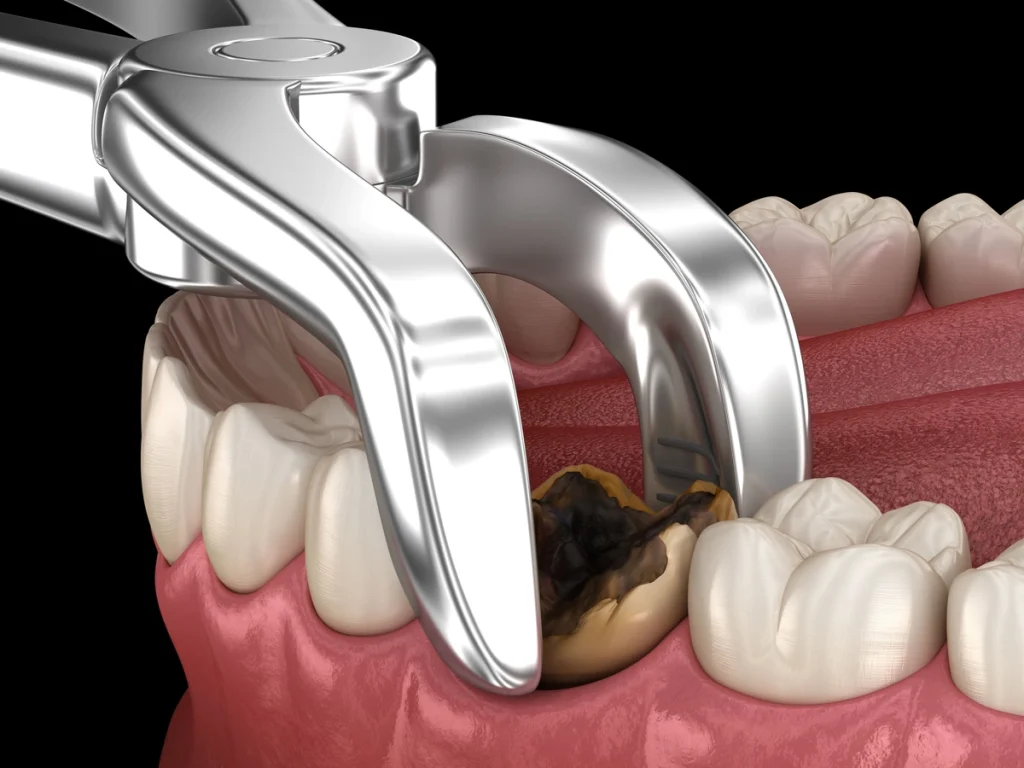
Tooth extractions are dental procedures involving the removal of a tooth from its socket in the jawbone. This procedure may be necessary for various reasons, including severe decay, infection, overcrowding, impacted teeth (often seen with wisdom teeth), or dental trauma. While tooth extractions can be daunting for many patients, they are sometimes essential for preserving overall oral health and preventing more serious complications.

The Tooth Extraction Process

The extraction process typically begins with a thorough evaluation by a dentist or oral surgeon, who will assess the tooth and surrounding tissue. X-rays may be taken to determine the tooth’s position and to identify any potential complications. Depending on the situation, the extraction can be performed in the dentist’s office or, in more complex cases, in a surgical setting.

Before the extraction, the dentist will administer a local anesthetic to numb the area around the tooth. In cases where multiple teeth are being removed, or for patients who may feel anxious, sedation may be used for additional comfort. Once the area is numbed, the dentist will use specialized instruments to loosen the tooth from its socket and remove it carefully.

For simple extractions, where the tooth is visible and easily accessible, the process is relatively straightforward. However, for impacted teeth or those that have broken below the gum line, a surgical extraction may be necessary. This may involve making incisions in the gum tissue to access the tooth, and the dentist may need to remove some bone around the tooth or cut the tooth into smaller pieces for easier removal.

Why Tooth Extractions Are Necessary

Tooth extractions can be crucial for maintaining oral health. In cases of severe tooth decay or infection, extracting the affected tooth can prevent the spread of bacteria to surrounding teeth and gums, potentially avoiding the need for more extensive treatments like root canals or gum surgery. Additionally, in orthodontic cases, tooth extractions may be necessary to create space for proper alignment of the remaining teeth.

Furthermore, wisdom teeth often require extraction due to their tendency to become impacted or cause overcrowding. Impacted wisdom teeth can lead to pain, infection, and damage to adjacent teeth if left untreated. Removing them proactively can prevent these complications and promote better oral health.

While the thought of tooth extraction can be intimidating, advancements in dental techniques and anesthesia have made the procedure more comfortable and less painful than in the past. Post-extraction care is vital for proper healing, and dentists typically provide guidelines on managing pain and swelling, as well as advice on diet and oral hygiene during the recovery period. Ultimately, tooth extractions play an essential role in maintaining long-term oral health and preventing future dental issues.

Author

Ellie Hartley

Lorem ipsum dolor sit amet, consectetur adipiscing elit, sed do eiusmod tempor incididunt ut labore et dolore

Have Any Question?

Lorem ipsum dolor sit amet, consectetur adipiscing elit, sed do eiusmod

Categories