

Medhub

(+92) 306 081 2226

Chemical Peels

What Are Chemical Peels?

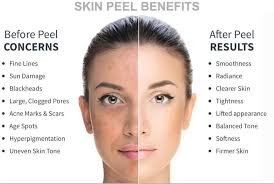
Chemical peels are dermatological procedures that involve the application of a chemical solution to the skin to exfoliate and promote the shedding of damaged or dead skin cells. This treatment is used to improve the appearance of various skin concerns, such as fine lines, wrinkles, acne scars, uneven skin tone, and sun damage. Chemical peels can be performed on the face, neck, or hands and are categorized based on their depth of penetration: superficial, medium, and deep peels.

The Chemical Peel Process

The chemical peel process begins with a consultation with a licensed dermatologist or skincare professional who evaluates the individual’s skin type, concerns, and desired outcomes. During this consultation, the practitioner will discuss the different types of chemical peels available, which may include alpha hydroxy acids (AHAs), beta hydroxy acids (BHAs), or trichloroacetic acid (TCA), among others. Each type has varying levels of strength and effects on the skin.

Once the appropriate peel is selected, the treatment begins with the thorough cleansing of the skin to remove any makeup, oils, or impurities. The chemical solution is then carefully applied to the targeted areas of the skin using a brush, sponge, or applicator. Depending on the type and depth of the peel, the solution may be left on for a specific period, ranging from a few minutes to several hours.

After the solution has been removed, the skin may be treated with a neutralizing solution or a soothing ointment. Patients may experience a tingling or burning sensation during the application, which typically subsides shortly after the treatment. Post-treatment care is crucial, as the skin will be more sensitive to sunlight and may require moisturizing and sun protection for optimal healing.

Importance of Chemical Peels

Chemical peels offer a range of benefits for individuals seeking to improve their skin’s appearance and texture. One of the primary advantages is the ability to enhance skin tone and texture by removing the outer layer of dead skin cells and promoting the regeneration of healthier skin. This can lead to a more radiant complexion and reduced visibility of imperfections such as acne scars, pigmentation issues, and fine lines.

Additionally, chemical peels can stimulate collagen production, which helps improve skin elasticity and firmness over time. This can be particularly beneficial for individuals looking to combat signs of aging without resorting to more invasive procedures.

Chemical peels can be customized to suit different skin types and concerns, making them a versatile option for many individuals. Superficial peels, for instance, are suitable for those with sensitive skin or minor issues, while medium to deep peels may be recommended for more significant skin concerns.

However, it is essential for individuals considering chemical peels to consult with a qualified professional to determine the most suitable type of peel for their skin. Potential side effects may include redness, peeling, and sensitivity, particularly following deeper peels. Patients should also follow post-treatment care instructions to minimize complications and ensure optimal results.

In summary, chemical peels are an effective and popular treatment option for improving skin appearance and texture. By promoting exfoliation and stimulating new skin growth, chemical peels can help individuals achieve a smoother, more youthful complexion. Consulting with a skincare professional is crucial to ensuring a safe and effective treatment tailored to individual skin needs.

Author

Ellie Hartley

Lorem ipsum dolor sit amet, consectetur adipiscing elit, sed do eiusmod tempor incididunt ut labore et dolore

Have Any Question?

Lorem ipsum dolor sit amet, consectetur adipiscing elit, sed do eiusmod

Categories