



Medhub

(+92) 306 081 2226

Filling

What Is a Dental Filling?

A dental filling is a restorative procedure used to repair teeth damaged by cavities or minor fractures. When tooth decay erodes a portion of the enamel, a filling restores the tooth’s structure, function, and appearance by “filling” the damaged area with a durable material. Fillings are essential for preventing further decay and safeguarding the tooth from future damage. Dentists use several types of filling materials, including amalgam (a silver-colored metal blend), composite resin (tooth-colored material), gold, and ceramic. Each material has distinct qualities, with tooth-colored composite being popular for its natural look, while metal fillings are known for their durability, especially in back teeth.

The Treatment Process

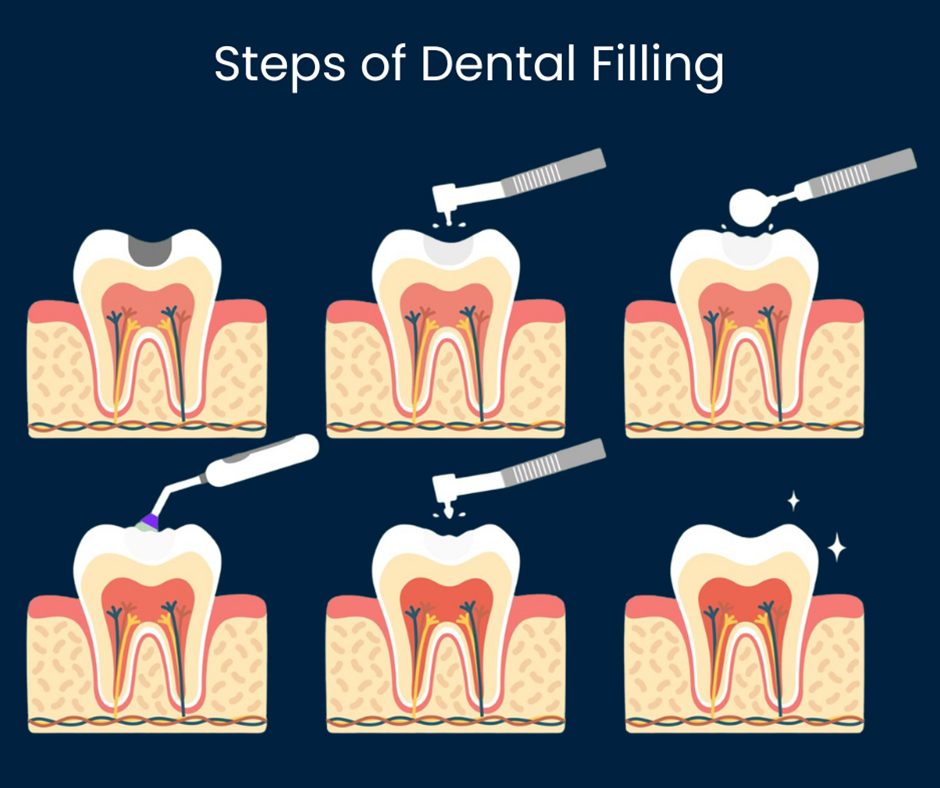
The filling procedure usually begins with an examination, where the dentist assesses the tooth’s decay level and may take X-rays to determine the extent of damage beneath the surface. If a filling is necessary, the dentist begins by numbing the area with local anesthesia to ensure comfort. The decayed part of the tooth is then carefully removed with a dental drill or laser, leaving a clean area ready for filling. Once the decay is removed, the dentist cleans and prepares the cavity to receive the filling material, ensuring no bacteria or debris remains.

For composite fillings, which are applied in layers, the dentist will shape and cure each layer with a special light to harden the material gradually. After the filling is in place, the dentist polishes the surface, adjusting it as necessary to ensure a natural bite. For metal fillings, the process is simpler, as the material is placed and shaped to fit the cavity in a single application.

Importance of Getting a Dental Filling

Getting a filling promptly is crucial to halt the progression of decay. Left untreated, cavities can deepen, eventually reaching the tooth’s inner layers, leading to pain, infection, or even tooth loss. Fillings restore the tooth’s integrity, allowing it to function normally and preventing further decay. Additionally, a filling provides a barrier against bacteria, helping to maintain oral health and reduce the risk of more extensive procedures, such as root canals. Beyond structural benefits, tooth-colored fillings improve the aesthetics of your smile, blending seamlessly with the natural enamel.

Author

Ellie Hartley

Lorem ipsum dolor sit amet, consectetur adipiscing elit, sed do eiusmod tempor incididunt ut labore et dolore

Have Any Question?

Lorem ipsum dolor sit amet, consectetur adipiscing elit, sed do eiusmod

Categories

Stay Connected with
Aesthetic & Dental Avenue